If you’re planning to invest in your business over the coming year, it could pay to consider spreading the cost using asset finance.
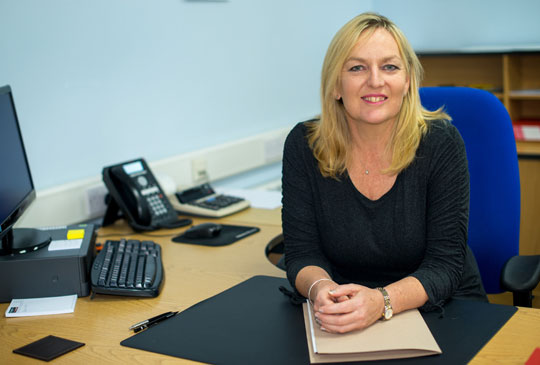
That’s the advice from Karina Roberts, Managing Director of Hornby Commercial – a local brokerage that’s secured tens of millions in funding for businesses across the region since its launch in 2017.
“Rather than tying up large amounts of capital in a single purchase,” Karina explains, “asset finance allows businesses to preserve valuable working capital. That money can then be used for day-to-day operations, unexpected costs, or further investment – all of which can help drive growth, support new contracts, fund recruitment or improve profitability by increasing efficiency.”

Investment: Using asset finance rather than cash reserves is a wise move
“Asset finance brings predictability,” Karina adds. “Fixed payments help with cashflow planning and can even allow businesses to bring forward purchases that will benefit them sooner rather than later.”
There are tax advantages too. Interest costs are can be offset against tax, and as the asset appears on the company’s balance sheet, it may be eligible for capital allowance benefits – potentially reducing tax liabilities in the year ahead.
Karina is a strong advocate for working with a local commercial finance broker: “We understand the local economic landscape and can access a wide range of funders. Our job is to find the best fit for each client’s needs.”
There are no upfront fees for the service – Hornby Commercial is paid by funders on successful introductions, with full transparency provided to clients. “We take the time to get to know the businesses we work with,” Karina says, “so the finance we arrange is always tailored to their specific goals.”
If you’d like to find out more about commercial finance – including asset finance, loans, working capital or property finance – get in touch with Karina at 01229 588077 or email finance@jfhornby.com for a no-obligation discussion.
Hornby Commercial works closely with a wide range of well-established SME supply chain businesses – many of them servicing advanced manufacturing, submarine construction, nuclear, energy and engineering sectors. These industries are the backbone of the local economy and depend on continuous investment in technology and equipment to remain competitive.