A LEADING accountant has spoken of his concerns about a raid on businesses in the forthcoming Budget, fearing indiscriminate hikes could have a disproportionate impact on SMEs.
Paul Hornby, the Managing Director of accountancy firm JF Hornby & Co, says businesses are already grappling with inflationary pressures, an aggressive taxation regime and in some cases, challenging supply chain disruptions.
He reports there is a ‘nervousness’ amongst the entrepreneurs and business owners he speaks to about what Chancellor of the Exchequer Rachel Reeves has in store on October 30.
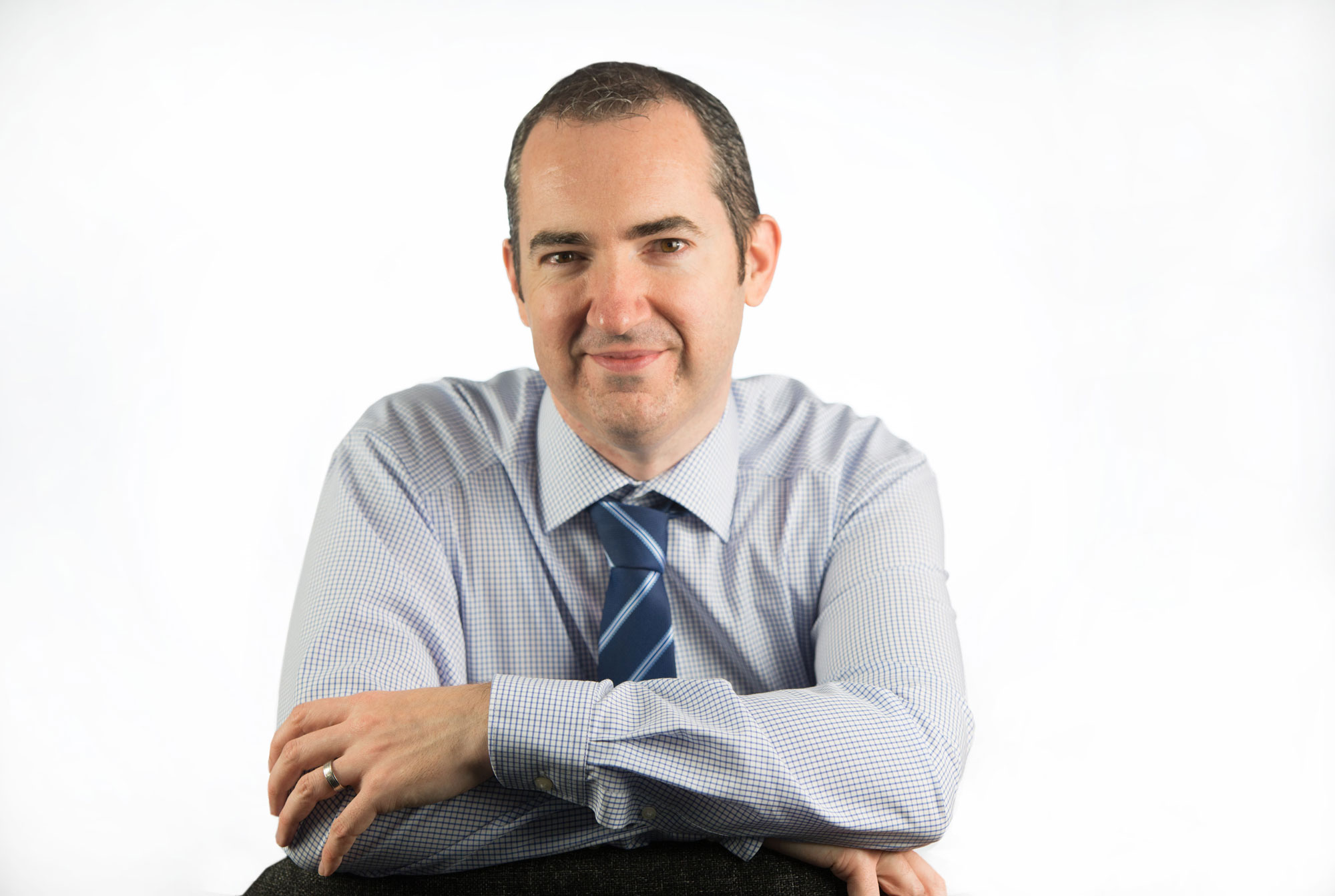
Fears: Leading accountant Paul Hornby
Paul said: “It seems many businesses are operating in a climate of fear at the moment. We’re seeing companies hold back on investment decisions, which inevitably has a knock-on effect on employment and overall economic growth.
“My concern is the government will be too aggressive in its announcements and hit businesses – particularly those in the SME and rural economies – hard.”
The government has pledged to leave Corporation Tax at its current rate after it was hiked from 19% to 25% by the previous government in 2023.
Similar assurances have been made about VAT, National insurance and Income Tax, so what the government terms as ‘working people’ are safe – for now.
However, entrepreneurs and business owners may be hit with a double whammy, potentially facing higher personal tax bills if the government targets capital gains tax (CGT) and dividend taxes.
Currently, CGT stands at 10% for basic-rate taxpayers and 20% for higher-rate taxpayers, while dividend taxes are 8.75%, 33.75%, and 39.35% depending on income levels.
“These rates have been relatively favourable to entrepreneurs, but we expect them to come under scrutiny as the Chancellor seeks to align them more closely with income tax rates,” said Paul.
“We need risk takers, dreamers and go getters if we are to grow our economy. However, higher tax burdens in these areas could dampen enthusiasm for new ventures and create a disincentive for entrepreneurs to invest in growth and jobs creation which would be a retrograde step for the economy,” he added.
Paul says uncertainty makes it difficult for companies to manage cash flow and engage in long-term planning, particularly in sectors that are already feeling the squeeze or where profit margins are often tight.

Chancellor: Rachel Reeves. Image courtesy of UK parliament.
“To mitigate risks, businesses need to be as flexible as possible,” he advised. “Contingency plans are essential, but many companies simply don’t have the room to manoeuvre after the challenges of the past few years.
“We’d advise that clients consider what their tax exposure could look like under different circumstances, so they’re not caught off guard,” Paul added.
The Chancellor faces a delicate balancing act when presenting the new Budget.
While the need to increase tax revenue to plug the gap in national finances is clear, there is growing concern that excessive increases could stymie the economy.
Economists have warned that overly aggressive tax rises could curb investment, drag down growth, and ultimately reduce the UK’s international competitiveness.
The UK’s Office for Budget Responsibility (OBR) has also flagged that raising taxes on investment and businesses could deter much-needed capital in the economy. “
It’s a fine line,” Paul said. “Tax hikes may fill short-term gaps, but they risk creating longer-term problems by discouraging the very investment the UK needs to grow and thrive.”
If you need support with personal or business taxation, call the team at JF Hornby on 01229 588077, email jfh@jfhornby.com or visit jfhornby.co.uk